Guides
What Does a Seasonal Flower Availability Calendar Look Like for US Florists?
A seasonal flower availability calendar for US florists tracks month-by-month domestic and imported stems, label terms, storage risks, and peak bloom windows.
What to take away
- A seasonal flower availability calendar for US florists tracks likely monthly supply, not guaranteed wholesale prices.
- Wedding flower seasons peak in May, June, September and October; those peaks concentrate demand for domestic specialties.
- Wholesale flower prices by season follow field supply and import gaps, which AMS market reports trace.
- Flower sourcing by month separates California field crops, US greenhouse crops and South American imports.
- Certified American Grown is an origin label, not a vase-life or color-grade promise.
A calendar begins with USDA zones and import windows
A practical calendar starts with USDA plant hardiness zones and the commercial cut flower regions that feed US wholesale terminals. California coastal farms move from ranunculus and anemones in late winter to peonies and garden roses by late May. Imported roses and carnations from Colombia and Ecuador arrive year round, but stem length and bunch weight shift with equatorial rainfall and light.
Florists can follow those shifts through the USDA Agricultural Marketing Service market news reports for fruits and vegetables, which list current terminal prices and stated origins without a paywall. A sample Seattle report, such as the AMS ornamentals report, shows one week of arrivals, but it does not forecast next month's shortfalls.
Month-by-month flower sourcing for US shops
This month list separates domestic field crops from reliable South American imports.
Month-by-month flower sourcing
| Month | Domestic field highlights | Reliable imports |
|---|---|---|
| January | Tulips from US greenhouses, anemones from California | Roses, carnations, spray roses |
| February | Ranunculus, Iceland poppies from California | Roses, alstroemeria, hydrangea |
| March | Anemones, ranunculus, some US tulips | Roses, delphinium, stock |
| April | Tulips, early peonies, stock from California | Roses, snapdragons, larkspur |
| May | Peonies, garden roses, sweet peas from California and Oregon | Roses, lisianthus, hydrangeas |
| June | Larkspur, yarrow, nigella from US farms | Roses, astilbe, stock |
| July | Sunflowers, zinnias, cosmos from US farms | Roses, alstroemeria, lilies |
| August | Dahlias, celosia, amaranth from US farms | Roses, fillers, alliums |
| September | Dahlias, sedum, ornamental grasses | Roses, calla lilies, hypericum |
| October | Chrysanthemums, ornamental kale, branches | Roses, lisianthus, wax flower |
| November | Mums, eucalyptus, protea from California and Florida | Roses, snapdragons, stock |
| December | Evergreens, amaryllis, paperwhites | Roses, carnations, hypericum |
For a wider supplier review framework, see Stocking a florist business.
Peak wedding months shift ordering, not the calendar. Peonies stay a May and June crop even when brides ask in November; the answer is an imported alternative or a priced substitution.
Wedding flower seasons and wholesale price pressure
Wedding flower seasons in the US cluster around May, June, September and October. These months raise wholesale flower prices by season because florists compete for the same peonies, garden roses and dahlias. The effect changes more for domestic field crops than for imported roses.
A May wedding in Chicago will lean on Oregon peonies; an October wedding in Miami may lean on Colombian roses because domestic dahlias have thinned. That difference is why a calendar should list both columns, not just one harvest peak. Imported roses act as a floor in many shops because they are available every month, although stem count still varies.
Thermal trucks and pre-cooled boxes narrow that difference, but they do not remove it. The easiest planning rule is to book domestic specialties two to three weeks ahead and keep a standing order for imports. That rule fits the calendar better than guessing spot prices. For a cost and markup walkthrough, see How to Price Wedding Bouquets.
Questions to ask a supplier
Before you commit to a month-by-month order, ask these questions:
- Which California or Oregon farm does this listing come from, and which USDA zone is it in?
- What is the typical stem length and bunch count in April versus July?
- Do you grade by US wholesale standards or by your own internal grades?
- What cold chain do you use between the farm and my door?
A supplier that cannot name the USDA zone is often reselling from a terminal with no farm trace. That reseller may still be fine for filler, but you will not be able to predict a shortfall.
What labels do and do not tell you
Certified American Grown is a specific origin label. It means the stems were grown in the United States and the farm passed an annual independent audit. It says nothing about vase life, color retention, or cold chain handling after harvest. A receiving inspection routine is described in Florist quality checks owners actually run.
Example month: May in a mixed shop
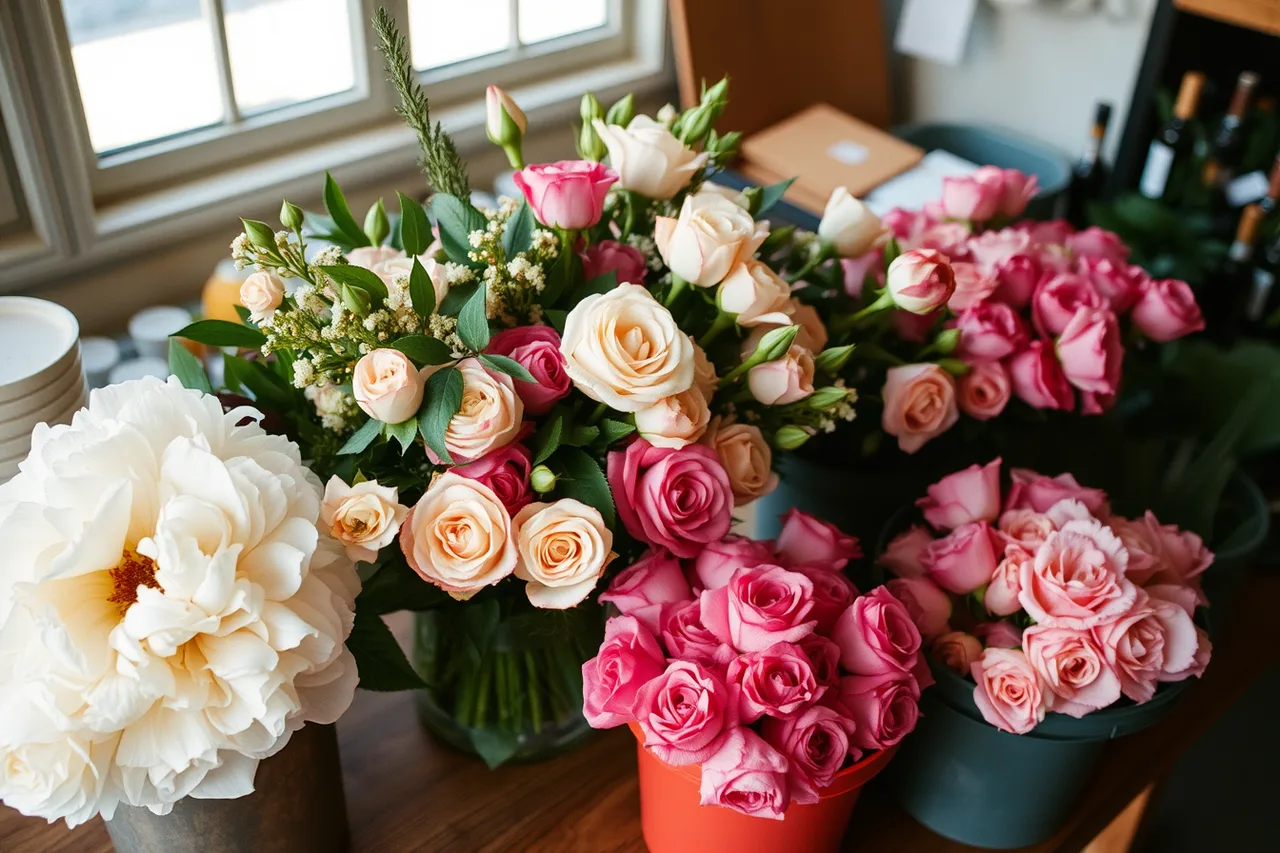
In a typical May, a shop mixes Oregon peonies, California garden roses and Colombian roses. Domestic stems may sell out before Saturday, so the shop reorders garden roses on Thursday for the following week. Colombian roses carry the cooler when local stock thins.
Storing what you buy
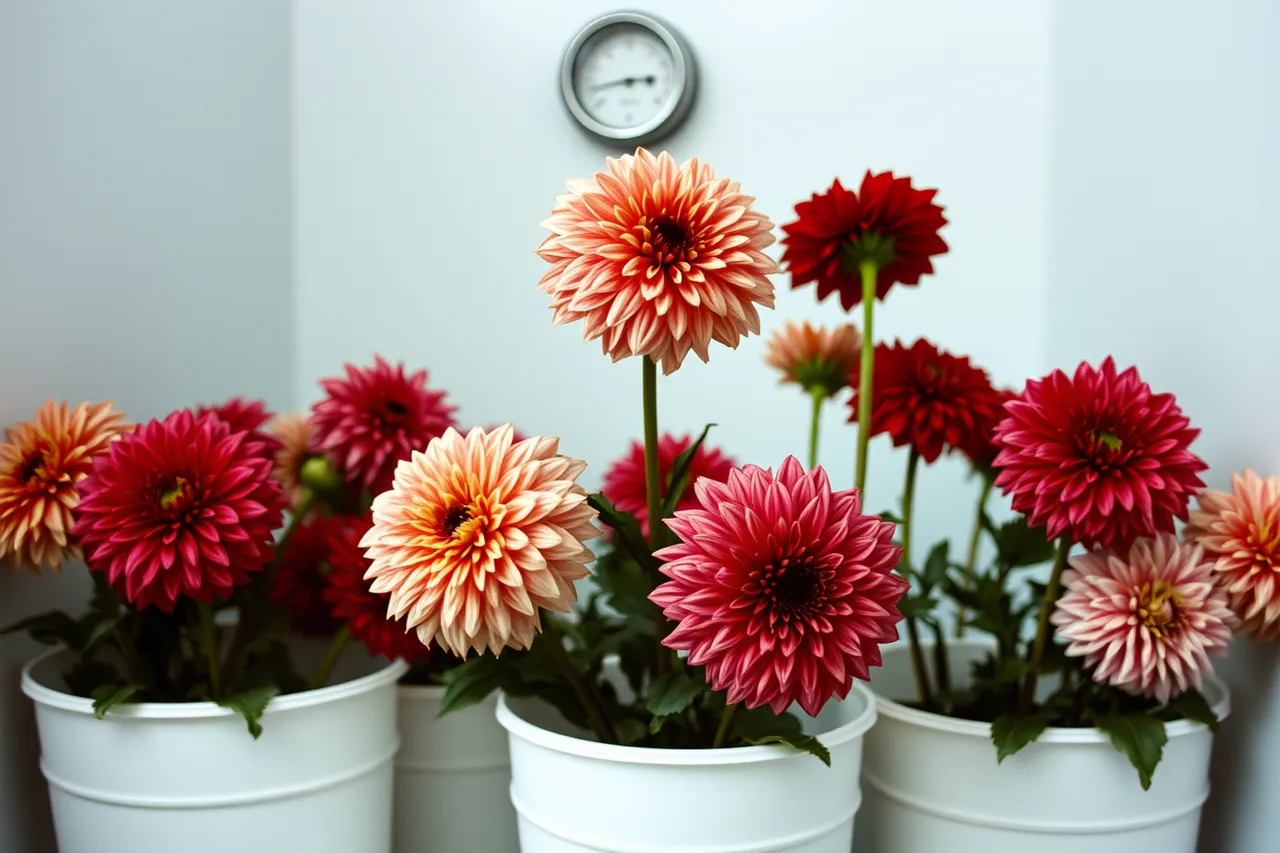
Keep dahlias at 40°F and never wet the petals. Wet petals invite botrytis, which can appear days later as brown fuzz on an otherwise healthy stem. This consequence makes a supplier's cold chain as important as its farm origin. When stems pass their calendar window, Reduce Flower Waste maps repurposing, but the money is already lost.