Guides
The working rhythm of a florist business
A flower shop's profit depends on stem cost, cold chain, delivery windows, holiday staffing and vase life. Here is the order to fix them in.
What to take away
- Price from landed stem cost with a 3x to 4x markup on designed work. Eighteen stems at about 1.29 each retails near 80 dollars.
- Hold the main cooler at 34 to 38 F, tropicals at 55 to 60 F, and the van cargo box at 40 to 50 F on warm routes.
- Log temperature, shrink and cash at open and at close, so a short-cycling compressor shows up on paper first.
- In the US, seasonal hires follow the FLSA and state labor rules, records follow IRS guidance, and imported stems need USDA APHIS clearance and a CBP entry.
- Review six numbers monthlygross margin, shrink, average order value, labor share, delivery cost per stop, and weeks of cash.
The order of the day
A shop looks like a retail counter and behaves like a perishable-goods operation. The owner watches four clocks: stock life, scheduled hours, cash in the account, and the holiday calendar that resets all three. The florist business plan walkthrough covers what lenders, landlords and insurers expect in writing before any of this is worth scheduling.
- Buy before the benchcheck confirmed orders and the walk-in forecast against the wholesaler cut-off.
- Process on arrival: strip, cut, condition and hydrate within the first hour, then into the cooler.
- Design against written tickets so nothing waits on the bench for a buyer.
- Build the route before 10 a.m., sequenced by delivery window rather than address order.
- Close the sheettemperature, shrink and cash.
The BLS describes floral designers as ordering, processing, arranging and pricing flowers while coordinating deliveries. That is five roles inside one job title, so write down which one is on at which hour.
Pricing from landed stem cost
Landed cost per stem is the invoice price for a bunch plus freight and duty, divided by the sellable stems left after broken and bruised ones come out.
Landed cost per sellable stem = (B + F) / (N - D) Invoice B = 24, freight F = 3, stems N = 25, discarded D = 4 (24 + 3) / (25 - 4) = 27 / 21, about 1.29 per stem
Landed cost per sellable stem
- 24Bunch invoice price B
- 3Freight and duty F
- 25Stems in bunch N
- 4Stems discarded D
Eighteen stems carry 23.22 dollars of stem cost. Add 8 to 12 dollars of design labor for a 20-minute build, plus about 2 dollars of wrap and ribbon. At a 3x to 4x markup on stem cost, retail lands between 70 and 93 dollars, and most shops price the piece at 79 or 85.
Judge the multiple by the margin it produces. Designed arrangements typically run a 60 to 70 percent gross margin. Shrink belongs in the price too, and the pricing and profit guide carries that logic into delivery fees and wire service commissions.
Cooler and van temperatures
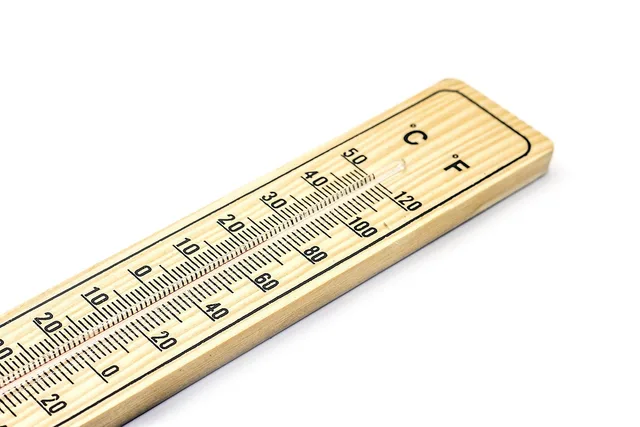
Write the targets on a card inside the cooler door. The main cooler runs 34 to 38 F for most cut stems, and tropicals such as orchids and anthurium need 55 to 60 F. The van cargo box should hold 40 to 50 F on a warm day.
| Time | Cooler | Van box | Shrink | Initials |
|---|---|---|---|---|
| 7:05 a.m. | 36 F | 48 F | 0.5 bunch | JT |
| 5:40 p.m. | 38 F | 52 F | 1 bunch | JT |
Check with a probe thermometer, not the display on the unit, and plot the week's readings each Sunday. A compressor that short-cycles shows as a 6 to 10 degree swing inside two hours.
The dock breaks the chain more often than the cooler does. Stems left boxed on a warm dock lose vase life before anyone unwraps them, and the fix is a receiving routine with a time limit. Northern winters invert the rule, so the van box must stay above 33 F or the stems freeze in transit.
Sizing that box is a purchase decision, and the florist equipment guide separates the specifications that matter from sales copy.
Holiday weeks run on a different operation
The schedule is written weeks ahead, and the pre-holiday buying decision decides the margin.
Design bench
- Ordinary
- Standard hours
- Pre-holiday
- Extended hours, all designers
- Holiday
- Split shifts, no single point of failure
- Post-holiday
- Reduced, event work
Delivery
- Ordinary
- One route, one driver
- Pre-holiday
- Two routes, seasonal driver
- Holiday
- Staggered routes from early morning
- Post-holiday
- Returns and credits
Buying
- Ordinary
- Weekly stem order
- Pre-holiday
- Order placed early, confirmed in writing
- Holiday
- No new sourcing, substitutions pre-approved
- Post-holiday
- Reconcile shrink against the order
Holiday week operations
Ordinary week
- Design bench
- Standard hours
- Delivery
- One route, one driver
- Buying
- Weekly stem order
Pre-holiday week
- Design bench
- Extended, all designers
- Delivery
- Two routes, seasonal driver
- Buying
- Ordered early, confirmed in writing
Holiday week
- Design bench
- Split shifts
- Delivery
- Staggered from early morning
- Buying
- No new sourcing
Post-holiday week
- Design bench
- Reduced, event work
- Delivery
- Returns and credits
- Buying
- Reconcile shrink
Order too little and you turn away walk-in sales on the day they peak. Order too much and the overage enters a market that has already moved on. The USDA AMS market news reports list daily flower availability and price, which keeps a substitution list current.
Seasonal hires and the event contract
A single-store shop typically adds two to four seasonal designers and one driver for Valentine's Day, and works 55 to 65 hours in the peak week. Treat those as typical ranges, not targets.
- An offer letter stating dates, hourly rate, and whether the role is seasonal or regular part-time.
- A signed acknowledgment of the overtime, break and scheduling rules that apply in your state.
- For event work, a contract naming the deposit, the cancellation terms, and who owns the design if the date moves.
The FLSA sets the federal overtime floor, and a state labor office may set a higher one. Wedding contracts sit under state consumer protection rules, which can limit the deposit you keep. Retain invoices, payroll records and signed contracts as the IRS recordkeeping guidance describes.
Six monthly numbers
| Metric | What it measures | Typical benchmark |
|---|---|---|
| Gross margin | Sales minus stems, wrap and design labor | 60 to 70 percent |
| Shrink | Discarded stems over stems received | Under 8 percent |
| Average order value | Sales divided by order count | 55 to 75 dollars |
| Labor share | Payroll over sales | 25 to 30 percent |
| Delivery cost per stop | Van, fuel and driver hours over stops | Under 10 percent of order value |
| Weeks of cash | Cash over weekly fixed cost | 8 to 12 weeks |
Review the list on the same day each month, from the same source, so the comparison means something. The finance and software guide covers which shop systems produce those six figures without a manual rebuild.
If you also sell in Canada
Register for GST/HST with the Canada Revenue Agency once you pass the small-supplier threshold, then check provincial sales tax. Seasonal hires fall under a provincial employment standards office rather than the FLSA. Imported stems need CFIA plant health clearance and a CBSA entry, normally filed by a licensed broker.