Guides
Getting florist expansion right the first time
A second florist location succeeds when stem cost, cooler capacity, delivery routes and staff training are proven before the lease is signed.
What to take away
- Prove the current shop firststem cost per bunch, shrinkage, average order value and delivery on time, tracked monthly for a year.
- Pick one reason to growdensity, a second counter, weddings and events, corporate accounts, or wholesale supply to other shops.
- Size the cooler and the van before the lease. A second site doubles perishable inventory, not just rent.
- Write the seasonal hire dates, the wage band and the recall rule before the Valentine's and Mother's Day rush, under your state labor office or provincial employment standards office.
- Model cash in named variablesopening stem buy, deposits taken, receivables from corporate accounts, and the weeks before the new site pays for itself. Keep the budget in USD, with a CAD column if you sell into Canada too.
This article gives general florist business information, not licensing, tax, employment or customs advice. Confirm current rules with your state tax authority or provincial finance ministry, your state labor office or provincial employment standards office, the IRS or the Canada Revenue Agency, and a licensed customs broker.
Ready or not: four checks before you sign
Use your own twelve months of books. The thresholds below are typical starting points rather than fixed targets. Replace them with your own.
- Stem cost per bunch stays within 10 percent of your twelve month average in eleven of twelve months.
- Waste stays at or under 8 percent of stems bought.
- Average order value stays within 15 percent of your twelve month average.
- On time delivery holds at 95 percent or better.
If all four hold for a year, the first shop has a stable base to copy. If one drifts, fix it before you sign a lease.
What a second location actually costs
A second shop is not a copy of the first. It is a second cold chain, a second delivery radius and a second set of hands that must be trained to the same stem standard.
The BLS description of floral designers is a fair list of what a new site must staff for: ordering, processing, arranging, pricing and displaying flowers, plus customer consultation and delivery coordination. Holidays and events drive the schedule, so a second site inherits the same peaks with fewer experienced hands.
Typical planning ranges for a second shop, in current dollars. Use them to compare local quotes, not as prices.
Typical US range
- Walk-in cooler, 8 ft by 10 ft, installed
- $10,000 to $25,000 USD
- Used refrigerated van, three to five years old
- $12,000 to $25,000 USD
- Retail lease, per sq ft per year
- $15 to $40 USD
- Opening stem buy, first two weeks
- $3,000 to $8,000 USD
- Fit-out: benches, sinks, lighting
- $8,000 to $20,000 USD
Typical Canada range
- Walk-in cooler, 8 ft by 10 ft, installed
- $12,000 to $30,000 CAD
- Used refrigerated van, three to five years old
- $15,000 to $32,000 CAD
- Retail lease, per sq ft per year
- $12 to $35 CAD
- Opening stem buy, first two weeks
- $3,500 to $10,000 CAD
- Fit-out: benches, sinks, lighting
- $9,000 to $24,000 CAD
Plan on 18 to 30 months before the second site covers its own rent, wages, van and cooler. That is a planning range. Lease term, holiday mix and delivery radius set the real number.
Sourcing and the cold chain
Most expansion plans undercount the cooler. A walk-in that holds three days of stems for one shop holds one and a half days for two, and a wedding weekend can empty it. For a shop selling 1,000 to 2,000 stems a week, suppliers commonly quote a box between 8 ft by 10 ft and 10 ft by 12 ft.
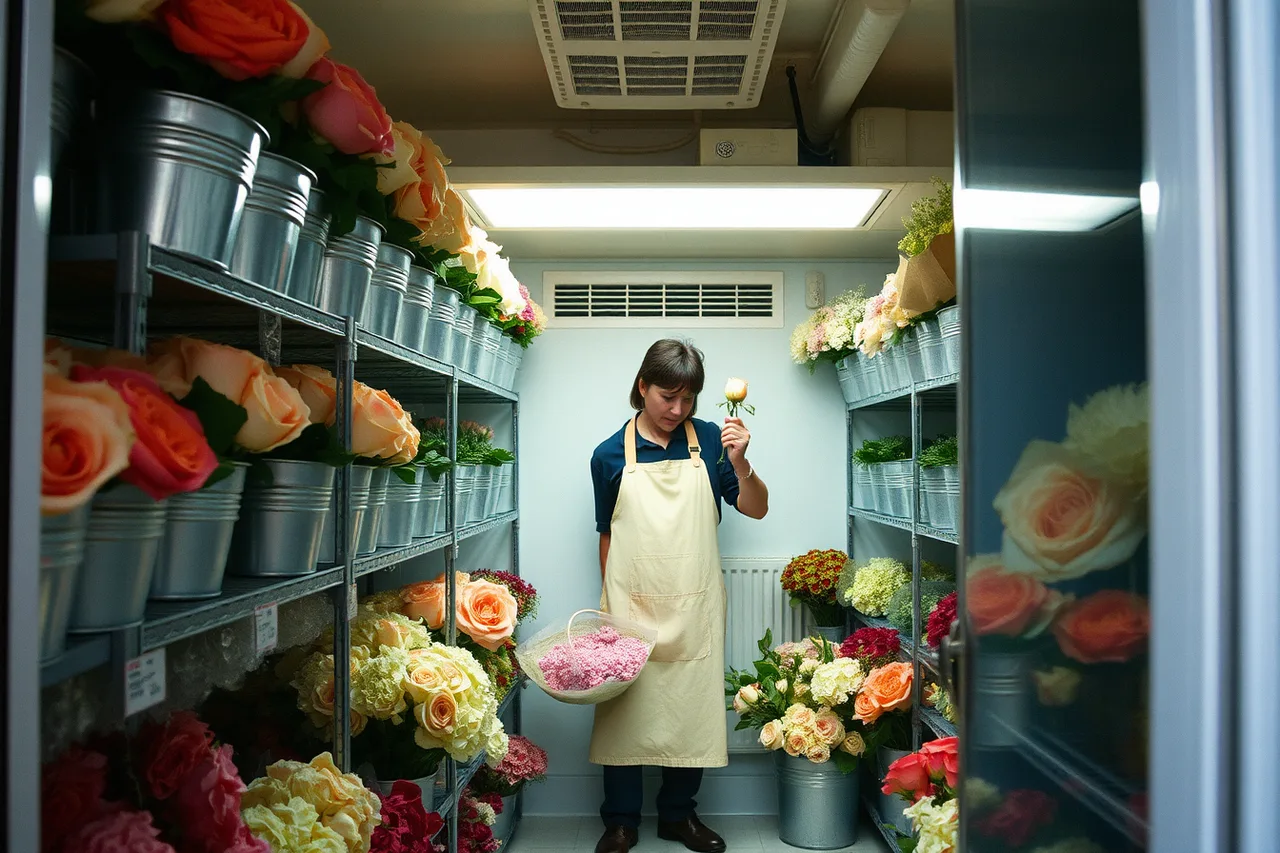
Ask the refrigeration supplier for the box temperature recovery time after the door opens, not just the set point. Floral coolers run warmer than produce coolers, and a unit sized for a restaurant will frost the blooms.
Buyers should price the same varieties from at least two suppliers and one auction channel before committing to volume. Wholesale price moves with season, fuel and air freight, so write the landed cost per stem on your sourcing sheet and update it weekly.
Importing cut flowers into the United States brings USDA APHIS plant health requirements and Customs and Border Protection entry paperwork. Into Canada, the same job falls to the CFIA and CBSA. Confirm the current directive with the agency and a licensed customs broker rather than relying on what another shop did last year.
Pricing bouquets so the second site pays
Price from the stem up, not from what the shop across town charges. Start with the landed cost per stem from your sourcing sheet, add labor minutes at your loaded hourly rate, wrap and ribbon, and a waste allowance, then divide by the target gross margin.
Recipes matter more than markups. A hand-tied bouquet of twelve roses and a mixed seasonal bunch can carry the same retail price and very different stem cost. Write the recipe card for every arrangement you sell at both sites.
Bundles and subscription flowers are where underpricing hides. A weekly subscription at a fixed price locks in stem cost for the season, so set the price against your highest expected wholesale month, not the cheapest.
Staffing through the peaks
Floral work is seasonal, so most shops hire extra designers and drivers for Valentine's Day, Mother's Day and the December party season. In the United States, seasonal hires fall under the Fair Labor Standards Act and state wage rules. In Canada, provincial employment standards cover minimum wage, overtime, scheduling and termination.
Typical starting pay for a floral designer in the United States runs about $14 to $20 an hour, with a lead designer at $20 to $28. In Canada, expect roughly $16 to $24 CAD an hour for the same work. Treat those as typical ranges and check your own market first.
Confirm the current rules with your state labor office or provincial employment standards office. Write the start date, end date, wage band and the rule for calling someone back next season into the offer letter.
Train the second site on the same stem standard as the first. A designer who has never processed a shipment will bruise hydrangea and cut roses too short, and the loss shows up as shrinkage, not as a training cost.
Delivery radius and routing
Delivery is where a second location either pays for itself or eats the margin. Map the radius from the new door, not from the old one, and time a real route on a Friday afternoon before you promise same-day service.
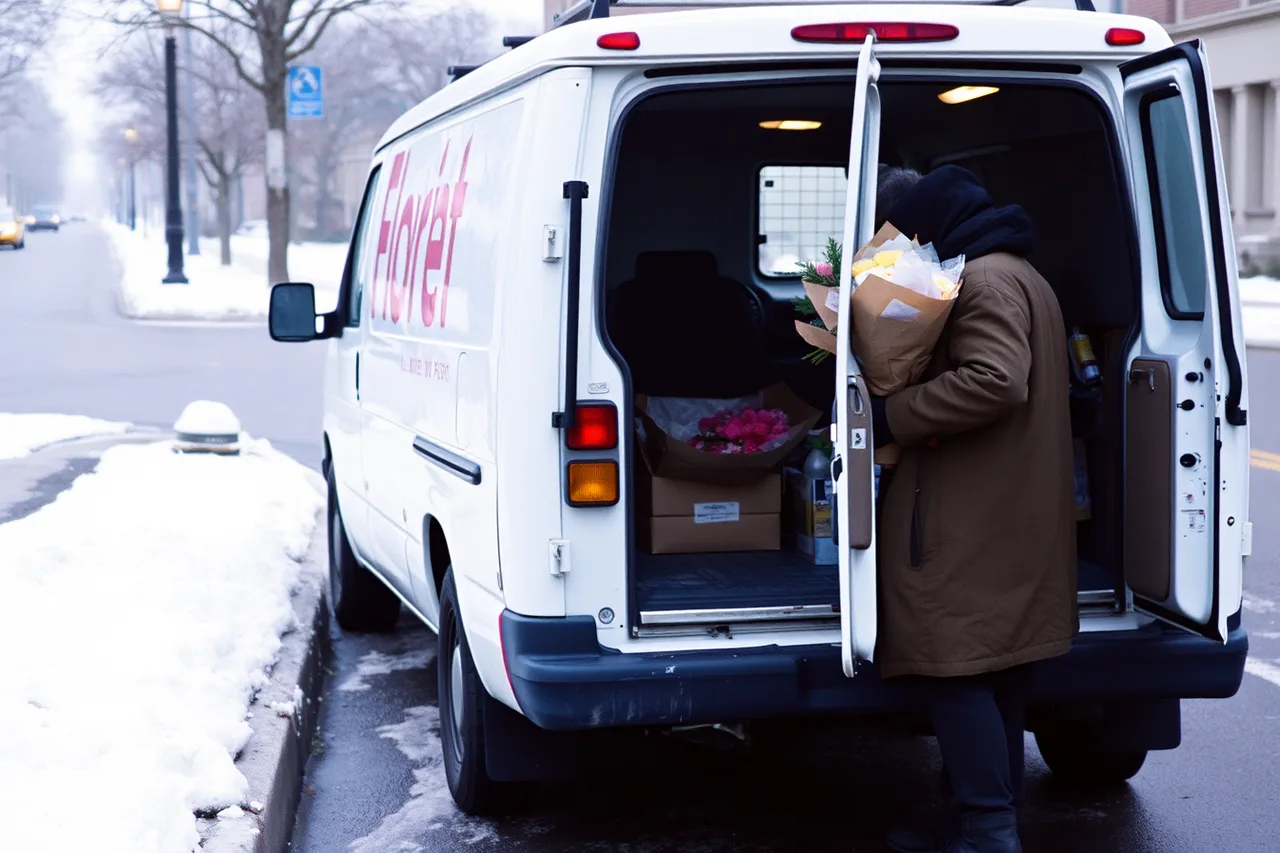
Winter changes the arithmetic. Snow routes in most Canadian cities and in northern US states add travel time, and a van that idles to keep blooms cool in July burns fuel in a way the summer pricing did not plan for.
Set a cutoff time for same-day orders that reflects the driver's actual departure, and hold it. A shop that takes a 4 p.m. order for a 5 p.m. delivery trains customers to expect the impossible.
Software and tools for a second location
Expansion decisions run on software, and the choice at the second site should match the first. Compare these on delivery windows, multi-location inventory and reporting:
| Tool | What it does | Multi-location fit | Pricing model |
|---|---|---|---|
| Floranext | Florist POS, website and delivery routing | Built for separate inventory and routing per location | Monthly subscription per location |
| Curate | Florist POS and e-commerce built for wire orders | Single-shop focus, no shared inventory across sites | Monthly subscription |
| Shopify with a florist theme | General e-commerce with local delivery apps | Single shop unless you run a separate store per site | Monthly plan plus apps |
| QuickBooks or Xero | Bookkeeping and payroll records | Separates two locations by class or tracking tag | Monthly subscription |
Check each vendor's current pricing and whether it handles your delivery windows before signing. None of these tools makes a second site profitable; they only show you faster whether it is.
Keep records the way the IRS records guidance describes for purchases, sales, payroll and assets, and mirror the same discipline for the CRA. The SBA business guide covers the planning, finance and hiring steps in general terms.
A worked example: the Saturday test
Take one Saturday in the current shop and run the second site's numbers against it.
- Count stems received, stems sold and stems binned.
- Time one delivery route from the new address at the hour you would actually run it.
- Price three arrangements from the recipe card, using this week's landed cost per stem.
- List every order that needed a designer the first shop did not have free.
- Add the hours the owner spent on the second site and price them at the owner's own rate.
If the route overruns, the cooler fills, or the owner's hours double without a matching order increase, the constraint is not demand. It is capacity, and the fix is a bigger cooler, a second van, or a trained lead designer, in that order.
Common questions
How many stems should the new shop hold?
Work it from days of cover, not a fixed count. Multiply average daily stems sold by the days you want in the cooler, then add the wedding weekend you already have booked. Ask the refrigeration supplier to size the box for that peak, not the average.
Should the second site share staff with the first?
Share the lead designer and the driver first, because those are the hardest roles to fill twice. Hire the counter and processing roles locally. Confirm the travel and overtime treatment with your state labor office or provincial employment standards office before you schedule anyone across two sites.
What paperwork changes when flowers cross a border?
Importing cut flowers brings USDA APHIS plant health requirements and Customs and Border Protection entry declarations in the United States, and CFIA and CBSA requirements in Canada. The rules change by species and origin. Ask a licensed customs broker for the current directive and keep the entry records with your purchase paperwork.
When should the owner stop the expansion?
Set the stop rule before you sign anything. A common one is two consecutive months where the new site's contribution does not cover its own rent, wages and delivery cost. Write the number down, name who checks it, and honour it.