Guides
Florist equipment for a first-time owner
A first florist shop needs cold storage, cutting tools, a workbench, a delivery van and a point-of-sale system before it needs anything decorative.
What to take away
- Cold storage comes first. A florist's shelf life is decided in the cooler, not at the design table.
- Buy one commercial floral cooler before any second display case. On a first florist equipment list, buckets, shears and a workbench return more per dollar.
- Match the van to the delivery route, not to the shop's parking space. Refrigerated vans cost more and idle less.
- Every cooler, van and workbench is a recordpurchase date, service history, warranty. The IRS page linked below explains which records to keep.
- Licensing, employment standards and import paperwork are set by your province or state, not by this article.
Florist equipment for a first-time owner rarely gets bought in the right order. Most new owners spend the first budget on the storefront and the last on the cooler.
That order is backwards. Flowers are perishable inventory with a clock on them, and every item below either slows that clock or moves stems through it faster.
Cold storage, in order of what to buy
Commercial floral cooler. A glass-door or open-front unit held at 34 to 38°F with humidity control. This purchase decides your shrink rate more than any other.
Turbo Air and True sell florist-size glass-door merchandisers, typically $2,000 to $5,000 new. Custom coolers from SRC Refrigeration or US Cooler run about $5,000 to $12,000 installed. A converted beverage cooler runs too cold and too dry, and it will freeze or desiccate roses.
Buckets. Buy more than you think. Standard 5-gallon buckets for processing, 3 to 4 gallon buckets for display. You need roughly one bucket per ten stems in transit, plus a spare stack.
Uline and Encore Plastics sell food-grade buckets by the case, typically $5 to $9 each.
Work table with a lip. A stainless or laminate table at counter height with a raised edge, so water does not run onto the floor. Undershelf for vases and foam.
Advance Tabco and John Boos sell 30 by 60 inch stainless tables with a raised edge and undershelf for roughly $300 to $700.
Processing area. A sink with a deep basin, a floor drain, and a hose with a spray head. Stems get cut underwater and buckets get filled constantly. Dramm hose nozzles run about $25 to $45.
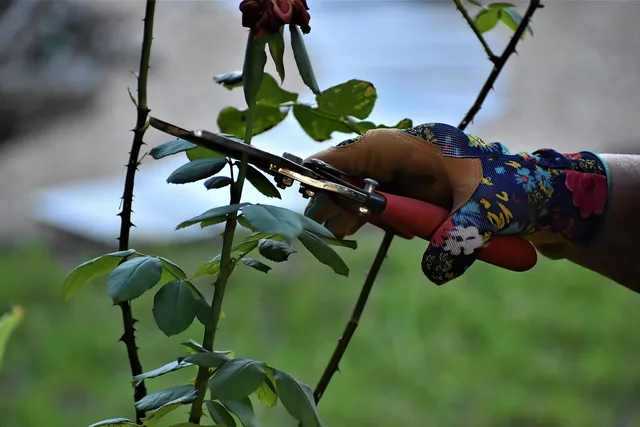
Cutting tools. Bypass pruners, floral shears, a stem stripper, and a rose de-thorner. Felco F-2 pruners sell for about $65, and ARS shears run $25 to $50. A stem stripper costs $10 to $25.
A dull blade crushes stems and shortens vase life, so buy two of each shear.
Preservative. Chrysal and Floralife are the two brands most wholesalers stock. A case of single-dose flower food packets typically costs $30 to $60.
The rest of the opening list
| Item | What it does | Typical cost |
|---|---|---|
| Berwick Offray ribbon and 24-gauge wire | Finishing, corsages, bows | Ribbon $4 to $10 per 50-yard roll, wire about $8 per 1-pound spool |
| Syndicate Sales vases and containers | Retail and rental | $3 to $15 each in case lots |
| Oasis floral foam and clear tape | Mechanics for arrangements | Foam $1 to $2 per brick, a case of 20 at $25 to $45 |
| Chrysal or Floralife preservative | Hydration and vase life | Case of single-dose packets, $30 to $60 |
| Delivery van (Ford Transit, Ram ProMaster) | Route work | $40,000 to $60,000 new, see below |
| POS or e-commerce system (Floranext, Square) | Orders, delivery windows | $50 to $250 per month |
| Magliner hand truck and dollies | Moving buckets and cases | $80 to $250 |
Prices move. Get three quotes on the cooler and the van, and compare delivered cost rather than sticker price. Case lots from a wholesaler beat retail on ribbon, foam and vases.
The van is a refrigeration decision
A florist's delivery van is a second cooler. An unrefrigerated van works for short urban routes in cool weather. It fails on a two-hour rural run in July.
Insulated cargo boxes or a small refrigeration unit cost more up front and cut wilt claims. Thermo King and Carrier Transicold build units sized for a Transit or a ProMaster, typically $5,000 to $12,000 installed. Match the van to your longest route, not your average one.
For a florist equipment checklist, the Occupational Safety and Health Administration: Safety Management page supplies a checkable research point on vehicle and shop safety.
For the wider setup picture, including lease versus buy and the order to spend in, see the florist equipment and setup guide.
Staffing and the holiday spike
The BLS Floral Designers page describes the job duties:
- ordering
- processing
- arranging
- pricing and display
- caring for flowers
Demand is driven by holidays and events. That is the staffing plan.
Valentine's Day and Mother's Day concentrate weeks of work into days. Plan seasonal hires against your provincial employment standards office, which sets overtime, scheduling and termination rules. This article does not interpret those rules.
Licensing, records and cross-border stems
Business licensing, sales tax registration and employment obligations are set by your state or province. Confirm with your state or provincial licensing authority and your finance ministry.
If you import cut flowers, the CFIA sets plant health requirements and CBSA handles clearance. Work with a licensed customs broker rather than reading the directive yourself.
Keep purchase, sales, payroll and asset records. The IRS recordkeeping page explains which documents support those entries. Your accountant decides the retention period for your jurisdiction.
For the business plan that sits behind the equipment list, start with the florist business plan.
Common questions
Do I need a commercial floral cooler on day one?
Yes, if you are holding more than a day's stock. A household refrigerator is too cold and too dry for most cut flowers. Buy the smallest commercial unit that fits your volume, a Turbo Air or True glass-door model held at 34 to 38°F, and add capacity later.
What can wait until after opening?
Display cases, a second van, and any decorative fixture. Buckets, shears, a workbench and cold storage cannot wait, because they set your shrink rate from the first delivery.
How do I handle holiday staffing?
Hire and schedule against your provincial or state employment standards office, which sets overtime and scheduling rules. Build the seasonal roster before the holiday, not during it.
What paperwork do imported flowers need?
CFIA plant health requirements and CBSA clearance, handled through a licensed customs broker. Requirements change, so confirm the current directive before each shipment.
What does a starter equipment list cost?
A cooler, workbench, sink, tools, buckets and foam typically total $6,000 to $15,000. A new van runs $40,000 to $60,000, and a used Transit or ProMaster with an insulated box typically runs $15,000 to $30,000.